Case study
From efficiency programme to forward-looking organisation
How a utility and infrastructure group tackled questions about its future across company boundaries.
Read moreMarkets, technologies and customer expectations are changing. What made you successful no longer works as it used to.











Changing conditions are putting your business model under pressure. New competitors appear, market demands shift quickly and leadership is stretched to its limits. The organisation senses that the success factors and management patterns of the past are no longer enough.
Growth is stalling, even though effort remains as high as ever.
New competitors are changing the rules of your market faster than expected.
Strategy discussions revolve around day-to-day business instead of the future.
The organisation is looking in the rear-view mirror rather than ahead.
The starting point is the current business model: who gets what value, how is it delivered and what makes it financially viable? Questions about the future and observations of customers and markets are combined with knowledge from inside the organisation. This clarifies which assumptions still hold and where new opportunities should be explored.
Go to field of action StrategyAlso relevant: field of action OrganisationOr contact us directly:


„Strategic transformation is not a linear project. It is the decision not to leave your future to chance.“
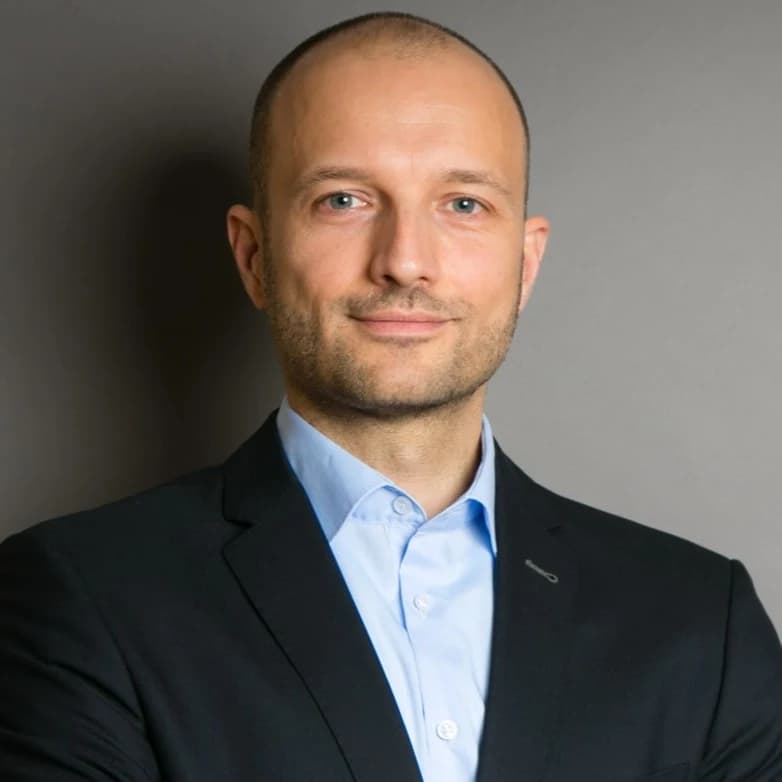
Jan-Niclas Bockard
Director | Chief Operating Officer (COO) and Head of corporate strategy competence team
The organisation gains a fixed place for questions about the future. Robust options emerge, along with clarity about future market requirements.
Worry about the future gives way to confidence. Owners and management regain the assurance to steer their company actively. Reacting gives way to shaping the future with foresight.
A new direction also changes what is required of structures, capabilities and collaboration. Strategy development therefore combines the market and customer perspective with internal processes, people and organisational design. A sound consulting brief names the decisions to be made and the people who will help implement them.
Different options for the future are developed from the changes observed. The strategy team assesses what value each creates for customers, which capabilities it requires and what it means financially. The chosen direction is translated into a shared picture of the future and concrete initiatives.
A first phase can end with a shared view of the situation, assessed options and the next strategic decisions. Which customer information or further analysis is needed is agreed beforehand. Assumptions remain open to testing and are revisited during implementation.
The best approach is a sequence that can be tested. First, market and customer assumptions are collected and compared with what sales and delivery teams observe. Then target segments and possible value propositions are examined. For each option, leadership has to clarify which capabilities and financial conditions it requires. A Strategy Map can link the chosen direction with processes, learning and performance targets.
The chemical park case shows real strategy work, but it is not general proof of success. For your situation, what matters is which assumption needs testing first and who decides on the next option. A list of measures without this choice would simply push strategic uncertainty into implementation.
Stop looking in the rear-view mirror. We create clear direction, full freedom to act and lasting competitive strength.
Explore examples of our work and ideas for your own transformation.
Case study
How a utility and infrastructure group tackled questions about its future across company boundaries.
Read moreFundamentals
Transformation as organisational development: how strategic self-renewal connects with structures, culture and leadership.
Read more
Fachartikel
Organisational resilience meaning: how companies pick up signals of change, deal with shifting conditions and actively shape their own development over time.
Read moreWith your assumptions about customers, markets and how you create value: who gets what value, how is it delivered and what makes it financially viable? Market and customer assumptions are collected and compared with what sales and delivery teams observe. This shows which assumptions still hold and which need testing first.
When leadership has assessed it against customer value, capabilities and financial conditions, and chosen it. The changes observed first produce several options for the future. The strategy team examines what value each creates for customers, which capabilities it requires and what it means financially. The chosen direction is then translated into a shared picture of the future and concrete initiatives.
It shows the assumed links between customers, processes, capabilities and financial goals, and connects the chosen direction with processes, learning and performance targets. This keeps it clear which assumptions lie behind each initiative. These assumptions are revisited and tested during implementation, rather than pushing strategic uncertainty into the implementation phase.
No. The case study shows real strategy work: a jointly developed set of five strategic alternatives and a strategy review facilitated internally in 2016. It is not general proof of success. For your situation, what matters is which assumption needs testing first and who decides on the next option.
A shared view of the situation, assessed options and the next strategic decisions. Which customer information or further analysis is needed is agreed beforehand. A sound consulting brief also names the decisions to be made and the people who will help implement them, because a new direction also changes structures, capabilities and collaboration.
Or simply get in touch. We are happy to talk everything through in person – without obligation, in confidence and as equals.
Director | Chief Operating Officer (COO) and Head of corporate strategy competence team
Let’s talk about your situation and what you want to develop in your organisation.