
Article
Performance vs potential in talent management
Potential vs performance: why strong performance today does not fully explain suitability for a future role, and what talent management must distinguish.
Read moreLinking the development of knowledge-intensive services with leadership, roles and collaboration.

What will clients pay for in future?
Which activities can be automated?
How are partner and career paths changing?
How do we scale despite skills shortages and succession issues?
How do we integrate AI in a way that makes sense professionally, legally and commercially?
Professional expertise is the foundation of the firm’s work. At the same time, how a firm develops depends on how partners, management and teams set priorities, share knowledge and take responsibility. These organisational questions are where our consulting starts.
Which clients, services and capabilities should define the firm in future? Strategy work brings together the views of the leaders in charge, client requirements and what the organisation can do.
Specialist and leadership roles may have different tasks. Looking at them together shows where expectations, decisions and development need to be better aligned. Professional and regulatory judgements stay with those responsible.
Key roles need timely development and knowledge transfer. Talent management and learning architectures can provide a framework for this. Future appointments are tied to the firm’s strategic requirements.
Digitalisation continues to be driven above all by efficiency, securing the future and better data exchange. At the same time, generative AI is making concrete inroads into tax advisory and statutory audit: the IDW (Institute of Public Auditors in Germany) describes use cases in practically every phase of the audit, and the BStBK (Federal Chamber of Tax Advisers) expects AI to take over routine tasks and create new competence requirements. Succession is increasingly described as a structural problem for the tax advisory profession.
Source: DATEV, IDW and BStBK: current publications 2026
With audit and tax advisory firms, we start with organisational questions that can be checked: which strategic decision is due, which roles carry it, and where do current communication or decision paths get in the way of implementation? Our approach looks at the professional work and the organisational conditions together. In an actual engagement, professional regulations, client relationships and responsibilities are clarified with the people involved.
Article
Potential vs performance: why strong performance today does not fully explain suitability for a future role, and what talent management must distinguish.
Read more
Article
Leadership as an organisational function: how roles, expertise and the six tasks of the leadership wheel turn uncertainty into shared decisions.
Read more
Article
How the employee value proposition, actual employee experience and communication come together to form a credible employer brand that holds up day to day.
Read moreKey roles need timely development and knowledge transfer. Talent management and learning architectures can provide a framework for this, and future appointments are tied to the firm’s strategic requirements. Which clients, services and capabilities should define the firm in future is agreed with the leaders in charge during strategy work, before decisions on development and appointments are made.
With the specific strategic or organisational decision and its mandate: which decision is due, which roles carry it, and where do current communication or decision paths get in the way of implementation? We look at the professional work and the organisational conditions together. We have no documented case study of our own in this sector; the consulting questions are documented, but we promise no results.
The people responsible for them within the firm. Professional and regulatory judgements stay with them; in an actual engagement, professional regulations, client relationships and responsibilities are clarified with those involved. transformis works on the organisational questions: priorities, knowledge sharing and responsibility between partners, management and teams.
Strategy work brings together the views of the leaders in charge, client requirements and what the organisation can do. Specialist and leadership roles may have different tasks; looking at them together shows where expectations, decisions and development need to be better aligned. How the firm develops depends on how partners, management and teams set priorities and share knowledge.
In an initial conversation, we clarify which decisions are coming up and which perspectives the next stage of work needs.
30 minutes, free of charge, by phone or video. Choose your time directly in the calendar.

Director | Chief Operating Officer (COO) | Head of corporate strategy competence team
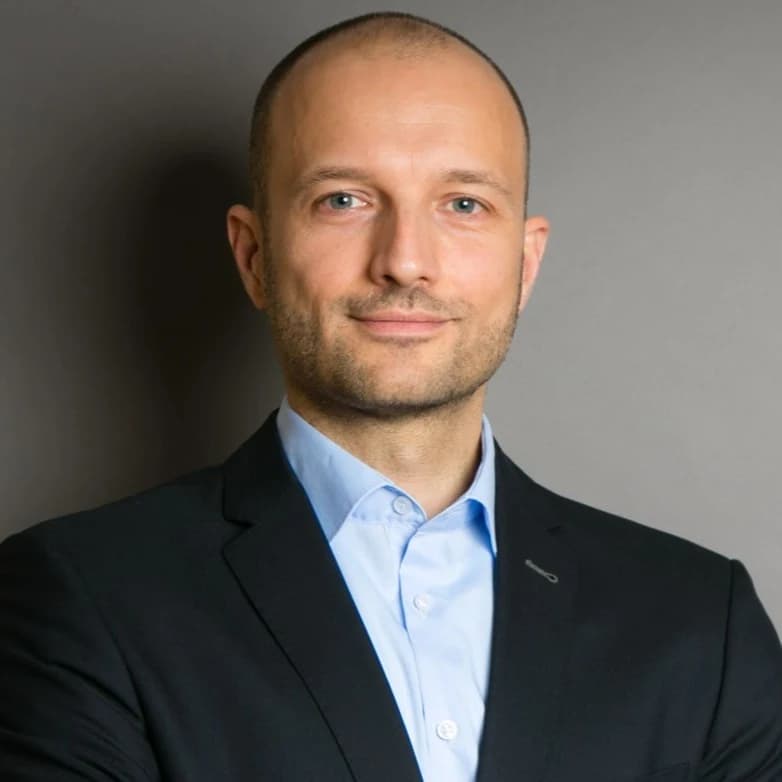
Let’s talk about your situation and what you want to develop in your organisation.