








Skip to content

Industrial and technology companies

Linking technical and strategic development with the organisation and its capabilities.

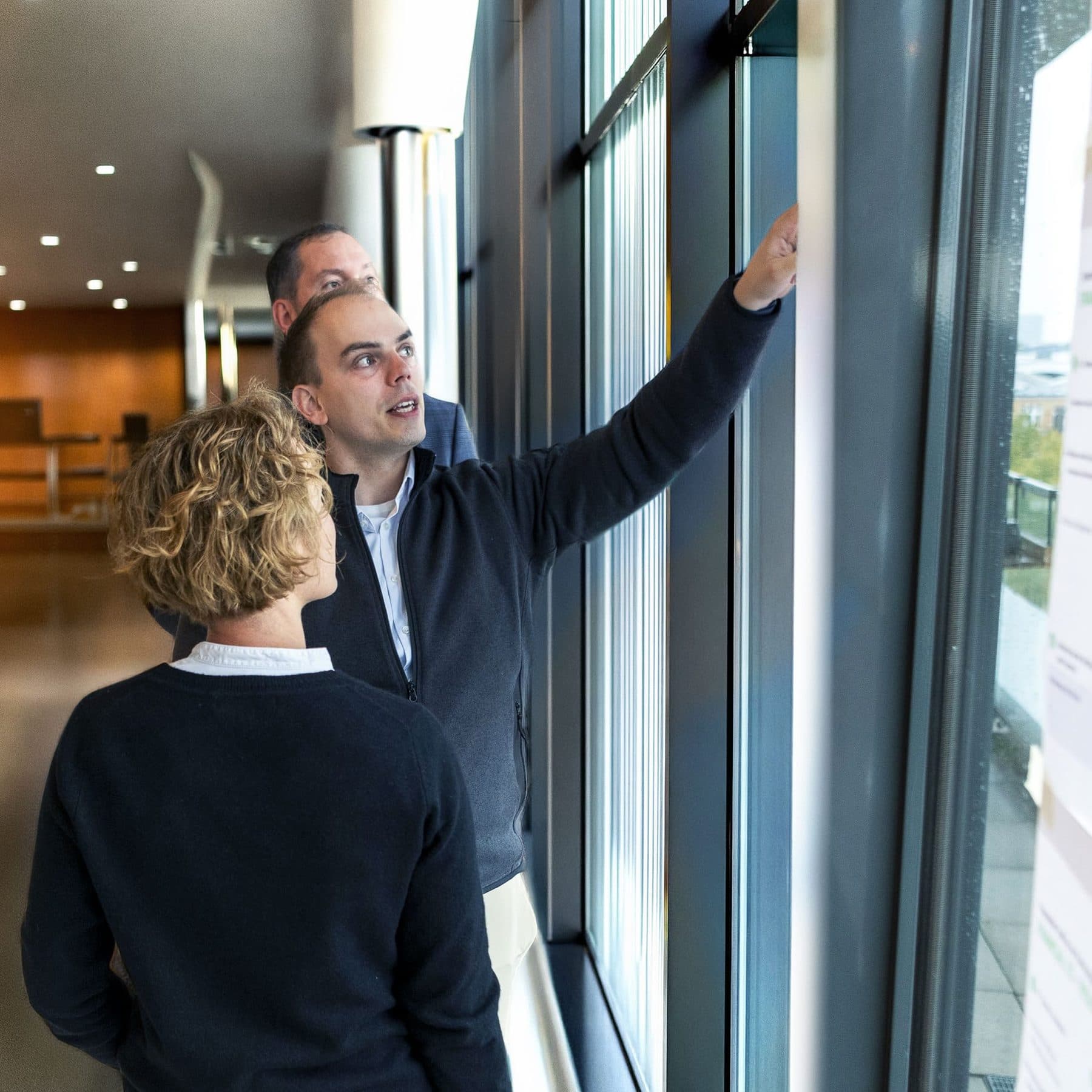
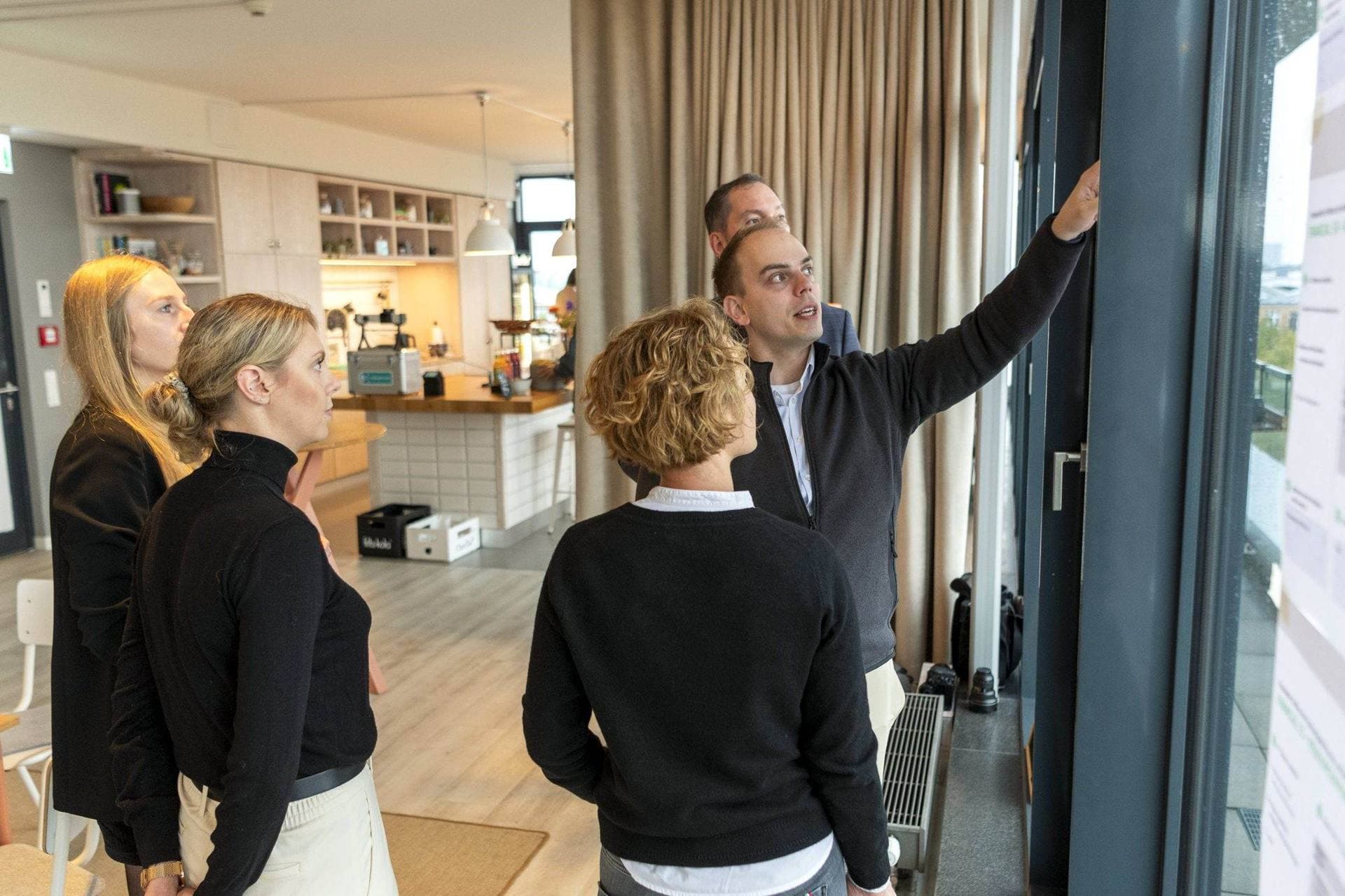
transformis consultant showing a colleague something by the window
  • Siemens
  • BASF
  • Bayer
  • Henkel
  • Currenta
  • Dräger
  • WIKA
  • Schüco
  • Sennheiser
  • Sony
  • Porsche
  • Metro Group
  • McDonald’s
  • E.ON

Questions to start with

  • Which technical changes affect the business model?

  • Where do several functions have to decide together?

  • Which capabilities will the next stage of development need?

New technologies and offerings often change more than a single product. They can call for different collaboration, decisions and skills. Our consulting for industrial and technology companies links the technical task with the organisational conditions needed to deliver it.

Customer value as a guide

What do customers need, and how do their expectations differ? Looking at customer segments in a differentiated way supports decisions on portfolio and positioning. Technical possibilities are assessed against the value they create and their commercial prospects.

Organising cross-functional work

Development, sales, production and other functions each bring their own perspective. Specific decisions and handovers show where roles, priorities or information need clarifying.

Embedding new processes and capabilities

Value stream management can examine material and information flows. Learning architectures help people apply new capabilities. Combining the two helps handle change within the real workflow.

Combining innovation with productivity

Technological change, environmental requirements, AI and automation can create new tasks. At the same time, the existing business has to keep performing. The brief clarifies where current processes should be improved, where new solutions should be tested, and how the two can be combined in the organisation.

Linking technical decisions with customer value

There are two possible ways in: changing customer expectations and friction in delivery. With a new technical possibility, the first question is which customer segment gains real value from it. When a process stalls, the people involved trace materials, information and decisions through the value stream. From this, management can work out which capabilities, roles and investments a chosen direction requires. A documented case from a chemical park shows strategy work in practice; its results are specific to that case. The right set-up depends on product, market, organisation and the decisions actually needed.

In practice

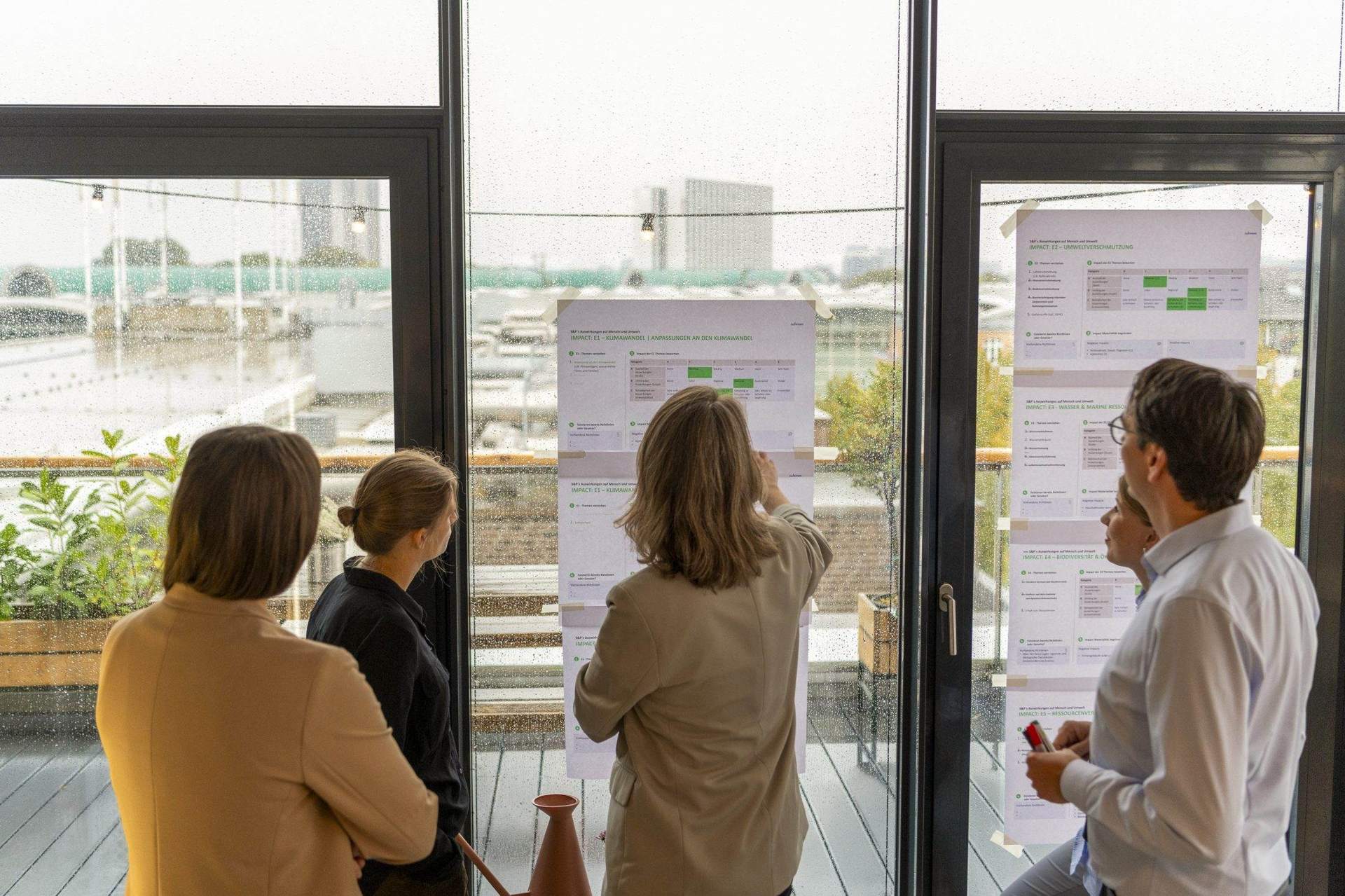
transformis group in front of a glass façade

Case study

Logo Currenta

Strategy development in a chemical park: from offering to customer value

A company-wide strategy process brought together market positioning, leadership and organisational design.

  • Five strategic alternatives, worked out together as a set of options.
  • A strategy review facilitated internally in 2016, with a refined strategic direction.
  • Step-by-step handover of strategy development and steering to the in-house corporate development team.
Read case study

Insights for your questions

Frequently asked questions

Where does strategy work begin?

With customer value, market assumptions and the company’s technical capabilities. There are two ways in: changing customer expectations and friction in delivery. With a new technical possibility, the first question is which customer segment gains real value from it. Looking at segments in a differentiated way supports decisions on portfolio and positioning.

What does value stream management look at?

Materials, information, handovers and decisions in a specific process. When a process stalls, the people involved trace material and information flows through the value stream and show where waiting times, queries or duplicated work occur. From this, management can work out which capabilities, roles and investments a chosen direction requires.

How do you build new capabilities?

By linking learning with real change and day-to-day work. Learning architectures help people apply new capabilities in the actual workflow; tying them to the value stream means change is handled where it happens. Development, sales, production and other functions use specific decisions and handovers to clarify where roles, priorities or information need adjusting.

Can the chemical park case be applied elsewhere?

It shows one possible approach, not a template. What is documented: five strategic alternatives worked out together as a set of options, a strategy review facilitated internally in 2016, and the step-by-step handover of strategy development and steering to the in-house corporate development team. Results and approach need to be tested against your own brief.

How can innovation and productivity go together?

By deciding where to improve and where to explore. Technological change, environmental requirements, AI and automation create new tasks while the existing business has to keep performing. The brief clarifies where current processes should be improved, where new solutions should be tested, and how the two can be combined in the organisation. transformis calls this dual task ambidexterity.

Prefer to talk directly?

In an initial conversation, we clarify which decisions are coming up and which perspectives the next stage of work needs.

Jan-Niclas Bockard

Jan-Niclas Bockard

Director | Chief Operating Officer (COO) and Head of corporate strategy competence team

Your initial call

Let’s talk about your situation and what you want to develop in your organisation.

  • Your situation
  • What brings you to us
  • Possible next steps
Book an initial call