We ask which patterns occur in which situations and what exceptions there are. The review produces prioritised development questions: are different decision paths, new roles, a culture intervention or a learning architecture needed? The point is precisely the connection between the organisation’s characteristics and possible levers. A diagnosis does not trigger change automatically. The findings are intended to enable those responsible to justify the next intervention with the organisation.
Vorläufige Befunde durch weitere Perspektiven prüfen: Die Methode sieht eine Befragung erfahrener Schlüsselpersonen und anschließende Interviews zur Prüfung der vorläufigen Ergebnisse vor. Beobachtet werden unter anderem Innen- und Außenorientierung, Gegenwarts- und Zukunftsbezug sowie der Umgang mit Struktur und Flexibilität. Diese Perspektiven dienen der gemeinsamen Untersuchung; sie sind keine unveränderlichen Eigenschaften einer Organisation.
Arbeitsergebnisse: Geteiltes Bild der relevanten Organisationsmuster; Geprüfte Hypothesen zu wiederkehrenden Problemen; Begründete Ansatzpunkte für die weitere Entwicklung.
A diagnostic model is a lens for observation. It replaces neither the knowledge of the people involved nor the testing of alternative explanations.
The diagnosis asks several questions that only form a picture together. Where does the organisation draw its orientation from: from relevant environments or mainly from within? Is its perception directed more towards current details and past experience or towards future possibilities? Which standards shape decisions, and how does it deal with the tension between clear structure and flexibility? These perspectives are not used as a psychological test for a company. They direct attention to recurring communication and decision-making events.
A preliminary picture may show, for example, that an organisation works reliably but picks up external signals late. Whether this is actually the case must be tested with people from different areas. That is why an initial survey is followed by further interviews with key players.
We also discuss counter-examples, because they show under which conditions other ways of acting are already possible. For clients, this results in a concrete decision: which lever can best support the current task? Perhaps it takes a different way of coordinating with customers, perhaps clearer decision-making rights or a different leadership routine. The diagnosis names the connection before a measure is defined.
Testing preliminary results with further key people is particularly important. We do not ask whether everyone agrees on a label, but which situations confirm the diagnosis and which contradict it. Only this comparison separates a plausible hypothesis from a robust basis for change. The client can then decide which observed connection should be addressed first.
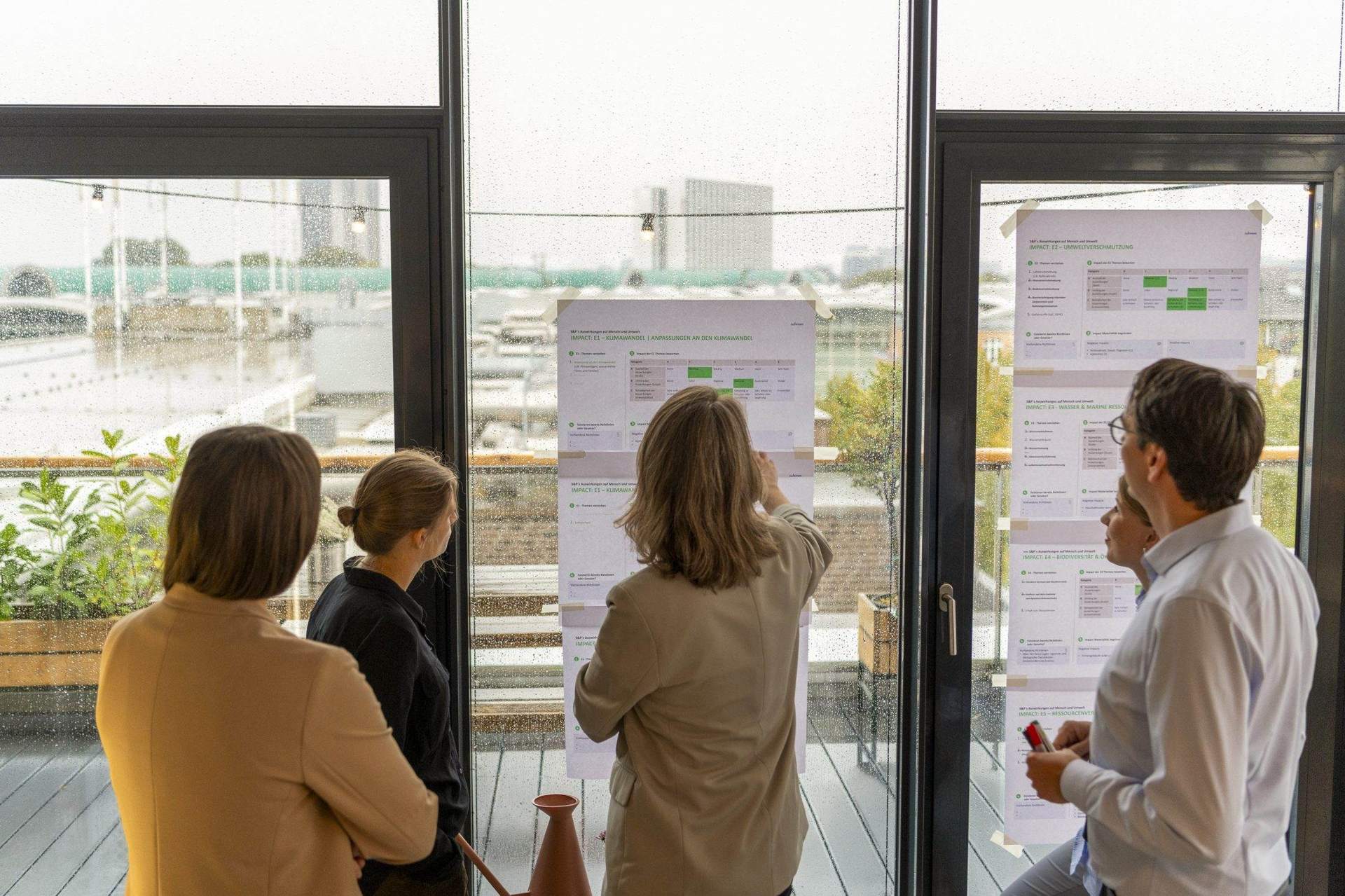
The diagnostics work with several perspectives on the same organisation. Formal descriptions of structure and processes show what is regulated; interviews, observations and joint evaluations show how the work actually takes place. Contradictions between the two are not immediately judged as errors. They may indicate which informal routines solve problems or create new difficulties.
We formulate hypotheses and test them with the areas involved before measures are derived from them. The result is a commonly understandable description of the starting situation, its patterns and possible starting points. Such a diagnosis can prepare a comprehensive transformation mandate or clarify a narrowly defined interface question. Scope and methods are aligned with the decision for which the organisation needs the insights.