
Case study
Developing logistics: combining diagnosis, leadership structure and capability building
A multi-stage change process that moved from vague complaints to new leadership routines.
Read moreFuture skills are missing, key positions are hard to fill and critical knowledge sits with a few individuals.









Skills for the future are missing, key positions become a risk and business-critical knowledge sits with individual people.
Which tasks and roles will be critical to future success?
Which skills do you have, and where are gaps opening up?
What can you develop internally, and where do you need to hire?
An HR strategy starts with what the business needs. Competency profiles, job profiles and a strategic skills gap analysis help pin down that need. Recruitment, development and succession planning can then follow shared criteria.
Go to field of action PeopleAlso relevant: field of action LeadershipOr contact us directly:


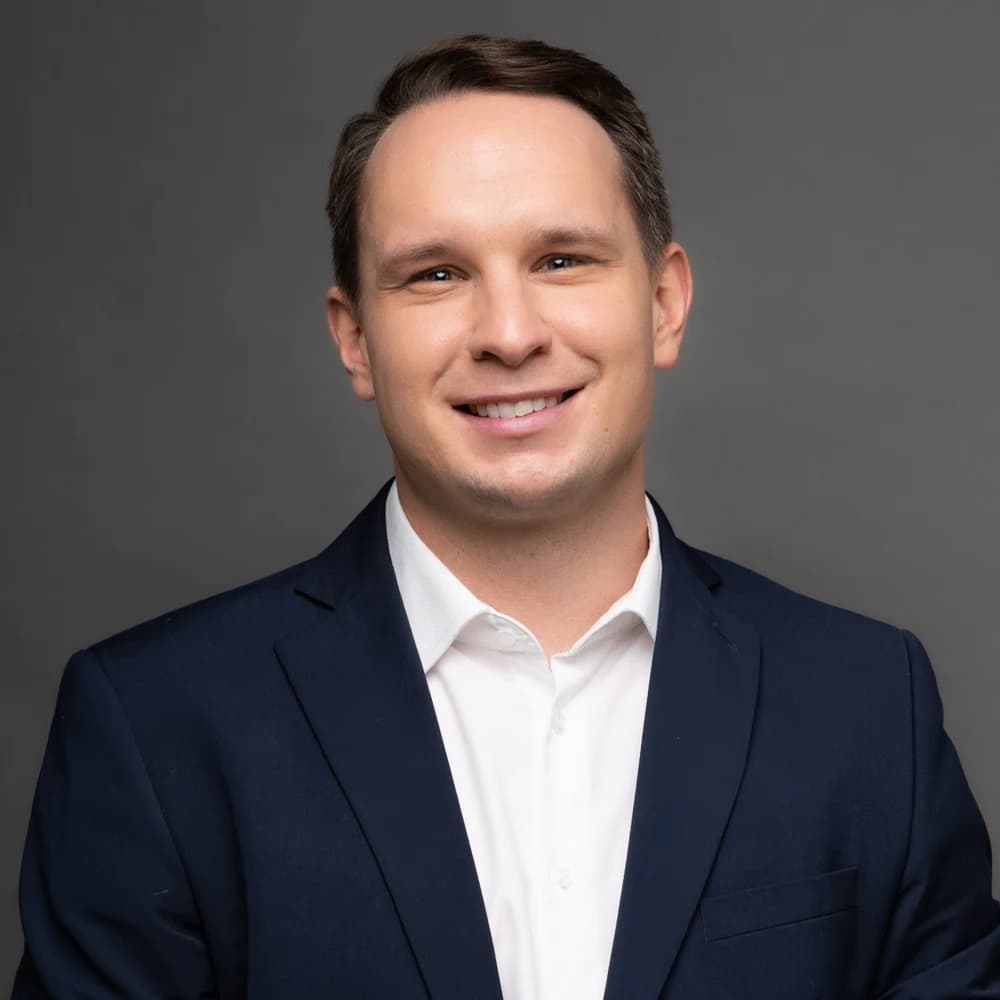
„Transformation succeeds when HR shapes the business rather than just administering it. transformis® develops HR into a business partner that gives the organisation strategic direction and enables the right people with the right skills to make an impact.“
Kira Rempel
Senior Consultant and Head of HR competence team
Our services include aptitude assessment, talent management and development dialogues. Which we use depends on the role to be filled and the development brief. Beyond selecting individuals, what matters is how leadership and HR work together and how new capabilities can be put to use in everyday work.
Needs are derived from future tasks. Job profiles and shared criteria help assess existing skills. Current performance, development potential and the person’s own interests are considered separately before appointment decisions are made.
Leadership and HR agree on suitable development steps. Applying new capabilities needs real tasks, feedback and enough room to make decisions. Where obstacles appear, the way work is organised is reviewed too.
Talent management starts with the strategically critical roles. Leadership and HR first describe their future tasks and requirements. They then assess which skills already exist, what potential people show for new tasks and where recruitment may be needed. Performance in a current role is not equated with development potential. A skills inventory, development dialogues and role requirement profiles can support this discussion. A people development audit adds the question of whether measures are tied to business goals and later transfer. The result is a prioritised decision on roles, development and appointments.
HR administration becomes future-proofing. Skills gaps become development paths. Talent becomes the power to renew.
Explore examples of our work and ideas for your own transformation.
Case study
A multi-stage change process that moved from vague complaints to new leadership routines.
Read more
Fachartikel
Leadership as an organisational function: how roles, expertise and the six tasks of the leadership wheel turn uncertainty into shared decisions.
Read moreFachartikel
An HR strategy links where the company is heading with the skills and roles it needs, combining strategic demand, role profiles, staffing and development.
Read morePeople in roles that are especially important to the chosen strategy. Talent management therefore starts with these strategically critical roles: leadership and HR first describe their future tasks and requirements. Competency profiles, job profiles and a strategic skills gap analysis then define the need that recruitment, development and succession planning are aligned with.
No. Current performance in a role and the ability to learn new tasks are different things and are not treated as one. Performance, development potential and the person’s interests are considered separately before appointments are made. The transformis 360° feedback concept (2018) attributes 70 per cent of development to challenging tasks, 20 per cent to feedback and 10 per cent to training.
Depending on the brief: a skills inventory, role requirement profiles, development dialogues and suitable aptitude assessment, chosen to fit the role and the development brief. A people development audit adds the question of whether measures are tied to business goals and to later transfer into daily work. The result is a prioritised decision on roles, development and appointments.
No. Development and a different way of organising work can also be the right answer. Leadership and HR agree on suitable development steps; applying new capabilities needs real tasks, feedback and enough room to make decisions. If obstacles appear along the way, the organisation of work is reviewed as well, not just the filling of individual posts.
A transformis study with East China Normal University (2015 survey of 218 German companies in China) compared how important 37 competencies were with how well they were met. On average, 78 per cent importance stood against 58 per cent fulfilment, with the biggest gaps in social and personal competencies. The figures apply to that period and sample, not to your company.
Or simply get in touch. We are happy to talk everything through in person – without obligation, in confidence and as equals.
Let’s talk about your situation and what you want to develop in your organisation.