

Case study
Developing strategy and organisation together in a trading group
How a trading group turned new market requirements into a vision of the future, clear functions and new ways of working together.
Read moreDepartments work in isolation. At their boundaries, work waits, coordination loops multiply and responsibility is disputed.












Structures that have grown over time, departmental thinking and long decision paths slow down cooperation, pace and delivery.
At which handovers does work regularly stall?
Which goals or responsibilities clash along the way?
Where is there no shared forum in which those involved can decide?
Silos can be seen in recurring situations: information arrives too late, decisions travel through several committees, or a task falls between areas of responsibility. Breaking down silos starts with tracing these processes together with the people involved. This opens up roles, decision-making authority and mutual expectations for discussion.
Go to field of action OrganisationAlso relevant: field of action CultureOr contact us directly:
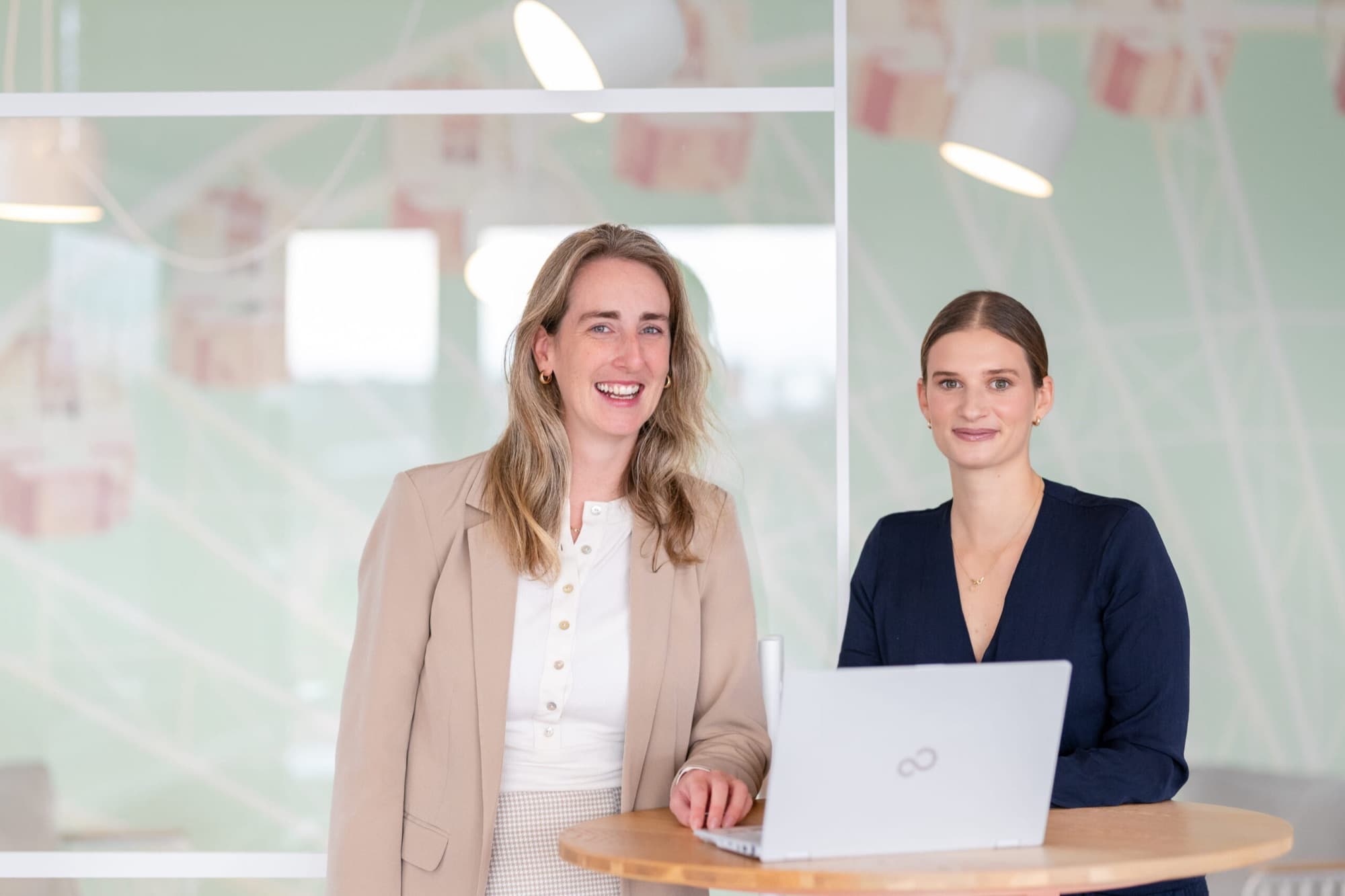

„Organisation is the lever that enables transformation – or blocks it.“
Eva Scholz
Senior Consultant | Head of Organisation competence team | Business mediator
Collaboration needs the right forms of communication and decision-making. Organisational diagnostics and organisational design help clarify the current situation and possible changes. In the DVVision programme, new routines were first prepared, introduced with facilitation and then handed over to the organisation. This case shows one concrete approach; which structure fits you depends on your brief.
Separate goals, information channels or unclear mandates can make collaboration harder. That is why the explanations given by each department are set side by side. A diagnosis develops testable hypotheses about the conditions that keep the pattern in place.
For a specific interface, involvement, responsibility and the order of decisions are clarified. New routines are supported at first and reviewed together. Only practice shows what needs adjusting and what the organisation can take over on its own.
Organisational diagnostics and organisational design help examine departmental boundaries using a real task. Those involved trace what information is needed when, where responsibility changes hands and which decisions have no clear home. From this, hypotheses about roles, goals and communication routines are developed.
In the DVVision programme, new routines were prepared, introduced with facilitation and later run by line management itself. A different organisation may need a different solution. What matters is that leadership and the departments evaluate the new way of working they have tried: is a decision faster or clearer, without the workload simply moving elsewhere? This turns the silo problem into a design question that can be tested, rather than a charge against individual teams.
Friction becomes collaboration. Coordination becomes decision. Structure becomes future viability.
Explore examples of our work and ideas for your own transformation.
Case study
How a trading group turned new market requirements into a vision of the future, clear functions and new ways of working together.
Read moreFundamentals
Systemic organisational consulting treats companies as social systems and looks at strategy, communication and decision-making together, not in isolation.
Read more
Fachartikel
How interfaces, decision paths and shared routines change the way we look at silos.
Read moreNo. Departmental boundaries are normal; what matters is whether essential information and decisions get stuck there. Silos show up in recurring situations: information arrives too late, decisions travel through several committees, or a task falls between areas of responsibility. The first step is to trace these processes together with the people involved.
The people who carry out, coordinate and decide on the task in question. They trace what information is needed when, where responsibility changes hands and which decisions have no clear home. The explanations given by each department are set side by side, producing testable hypotheses about the roles, goals and communication routines that keep the pattern in place.
Only if the mandate, involvement and follow-up decisions are clear and the routine holds up in everyday work. That is why involvement, responsibility and the order of decisions are defined for a specific interface. New routines are supported at first and reviewed together. Only practice shows what needs adjusting and what the organisation can continue on its own.
By looking at the specific task, its handover and the decisions around it. Leadership and the departments evaluate the new way of working they have tried: is a decision faster or clearer, without the workload simply moving elsewhere? This turns the silo problem into a design question that can be tested, rather than a charge against individual teams.
In the DVVision programme at a utility and infrastructure group, leadership, feedback and decision formats at group and topic level were prepared, introduced with facilitation and then handed over to line management. Reviews in 2023 and a clearer division of roles between line management and corporate development are documented. The case shows one concrete approach; which structure fits you depends on your brief.
Or simply get in touch. We are happy to talk everything through in person – without obligation, in confidence and as equals.

Let’s talk about your situation and what you want to develop in your organisation.