










Skip to content

Optimisation in transformation

When complexity and friction eat into profitability.

Reducing complexity and friction, and improving profitability.

Optimisation in transformation
  • Siemens
  • Porsche
  • Bayer
  • BASF
  • Henkel
  • Sony
  • Metro Group
  • McDonald’s
  • E.ON
  • Dräger
  • Sennheiser
  • Schüco
  • WIKA
  • Currenta

Reducing complexity and friction, and improving profitability.

Many organisations work hard but do not achieve the results they need. Complexity, duplicated work, interface problems, unclear responsibilities and inefficient processes tie up resources that are then missing for investment, innovation and renewal. Business optimisation is often equated with cost cutting. It is about more: regaining the ability to act, productivity, profitability and room for the future. For management boards and owners, this is a key question of results: how do we ease the financial pressure without damaging the organisation? And how do we create room for the future?

The questions we answer with you

  • Where do recurring coordination loops, waiting times or duplicated work arise?
  • Which causes lie in processes, interfaces or decision paths?
  • Which changes free up room for strategically important work?
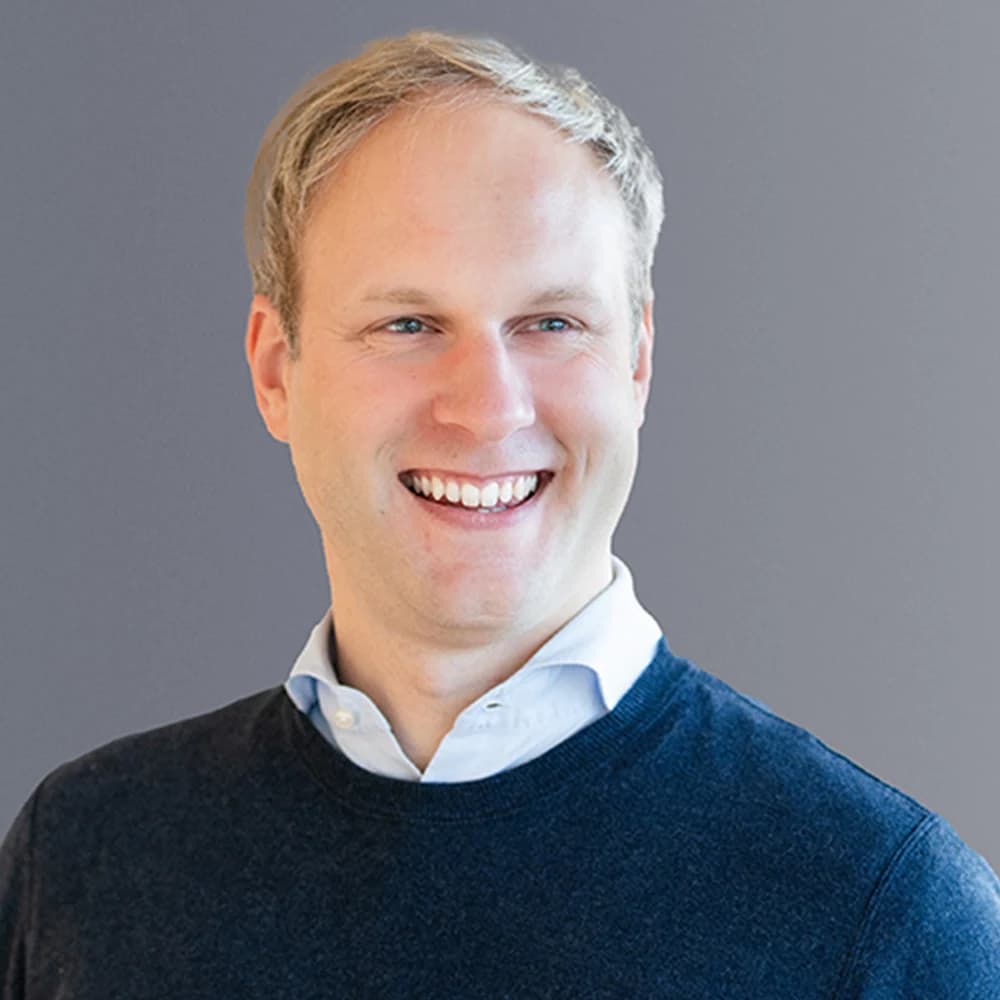
Portrait of Robert A. Sedlák
„Improving profitability does not mean delivering as much as possible. It means meeting customer expectations with a commercially sensible use of resources.“

Robert A. Sedlák

Founder and CEO transformis Consulting SE | Guest Professor ECNU Shanghai | Certified business mediator (German Mediation Act) | Head of the family business competence team

What does transformis mean by business optimisation?

Organisational optimisation is not a savings programme. It is a strategic contribution to future viability. The key is to understand friction losses structurally rather than superficially, and to tackle their causes. Together with you, we identify untapped potential for performance and value creation, reduce complexity, improve decision-making and work processes, and create room for investment, innovation and development. transformis® combines a focus on financial results with systemic expertise in organisations and transformation. We see optimisation not as isolated cost cutting but as aligning customer value, scope of services and use of resources in a commercially sensible way. Our working architecture draws on the knowledge already in your organisation (its system intelligence) and combines it with financial analysis and, where needed, outside expertise. Together with your own experts, we identify the economic and organisational causes of inefficiency and develop improvements that last. We advise on and support implementation and embed it in the leadership system and day-to-day operations. What we add is the combination of precisely tailored customer services, consistent operational cost optimisation and a strategic focus on the future. This creates financial headroom without putting the company’s performance or capacity for renewal at risk.

Friction becomes freedom. Complexity becomes the ability to act. Optimisation becomes room for the future.

Our services

Your organisation gets noticeably more breathing space. Fewer resources are lost to internal friction and more go into value creation. Productivity and profitability rise without damaging the organisation’s substance.

Core services

1. Meeting customer expectations precisely

Spotting over- and under-delivery and aligning services with real customer value.

2. Identifying optimisation potential

Identifying, assessing and prioritising economic and organisational improvement potential.

3. Optimising business processes

Reducing lead times, duplicated work, handover effort and unnecessary complexity.

4. Telling good costs from bad

Enabling value-adding spend and eliminating avoidable costs.

5. Improving cost-effectiveness and profitability

Reducing operating costs and using resources more productively.

6. Embedding financial responsibility

Enabling managers and staff to keep optimising.

7. Creating room for the future

Managing operating costs and investment in the future separately, and protecting resources for strategic renewal.

All services in the field of action Optimisation

Performance and profitability

Processes and value streams

Complexity, cost and profitability

In practice

Berater von transformis arbeiten gemeinsam am Laptop

Case study

Strategy check in industrial services: reassessing markets and customers

An anonymised case study: the starting point, process and results of a strategy check at an industrial service provider.

  • Twelve market segments assessed against the same criteria.
  • Eight customer segments defined, each with its own value proposition.
  • The survey corrected key assumptions the sales team held about customers.
Read case study

Explore the topic further

Explore examples of our work and ideas for your own transformation.

All articles on this topic

Frequently asked questions on the field of action Optimisation

When is business optimisation the right starting point?

When complexity and friction are eating into profitability. A typical starting point is “Declining profitability”: complexity, duplicated work, inefficiency and friction tie up resources needed for value creation, investment and the future. The central challenge is to make optimisation an ongoing leadership and cultural task, whatever the current economic situation. Too often, potential is only tackled systematically once results fall.

What should be different at the end?

Our promise: reduce complexity, remove friction and increase profitability. Friction becomes room to manoeuvre. Complexity becomes the ability to act. Optimisation becomes scope for the future. We create transparency about customer expectations, scope of services, use of resources and costs. This reveals over- and under-delivery, unnecessary service components and potential for savings. Aligning services with real needs and improving business processes, interfaces and decision paths cuts avoidable costs and raises productivity, efficiency and profitability.

How is your approach different from conventional consulting?

Not as a savings programme but as a strategic contribution to future viability. The key is to understand friction losses structurally rather than superficially, and to tackle their causes. Together with you, we identify untapped potential for performance and value creation, reduce complexity, improve decision-making and work processes, and free up room for investment, innovation and development.

What optimisation services does transformis offer?

We group the 21 services in this field of action into 3 areas: “Performance and profitability”, “Processes and value streams” and “Complexity, cost and profitability”. Value stream management is described in detail. The full overview is further up this page; in the initial call, we relate each service to your situation.

How does working together look in practice?

We facilitate every working session, agree all results together in the room and document them online. Each session ends with minutes accepted by everyone present. Afterwards, transformis reviews each session internally and uses what it learns to prepare the next one.

When is it worth bringing in external consultants?

External consultants add clear value when blind spots need uncovering, unhelpful established patterns need breaking, complex change needs facilitating, structuring and stabilising, or when neutrality and independence are needed, especially if conflict, competing goals or internal politics are blocking decisions.

What figures support the case for optimisation?

The transformis white paper “Chemieindustrie im Mittelstand” (chemicals in mid-sized companies, 2026) cites a joint study by BCG and the German Chemical Industry Association (VCI) that puts the productivity leap the industry needs at 10 to 30 per cent, and names the VCI’s profitability threshold of 82 per cent capacity utilisation. Its conclusion applies beyond chemicals: cut costs alone and you lose the future; invest alone and you lose the present.

Who will work with us, and how do we get started?

Your contacts are Frédéric Sedlák (Head of Business Development, Senior Consultant, business mediator) and Jan-Niclas Bockard (Director, Chief Operating Officer (COO) and head of the Corporate Strategy competence team). We start with an initial call about your situation, the people involved and the right next step. Outside advisers bring structure and fresh observations, not the business decision; that responsibility stays with you.

How we see the topic

Prefer to talk directly?

If you have questions about optimisation, get in touch.

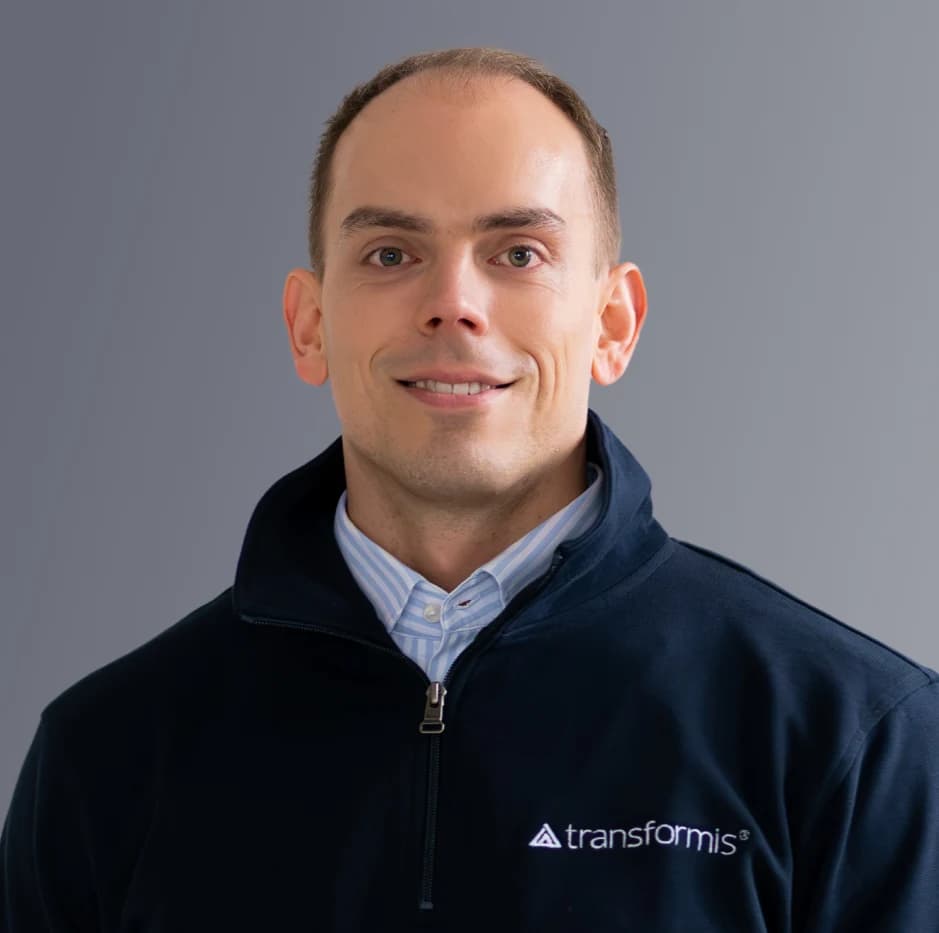
Jan-Niclas Bockard

Jan-Niclas Bockard

Director | Chief Operating Officer (COO) and Head of corporate strategy competence team

Your initial call

Let’s talk about your situation and what you want to develop in your organisation.

  • Your situation
  • What brings you to us
  • Possible next steps
Book an initial call