







Optimisation in transformation
Lean organisation
Extend lean principles beyond production to administration, leadership and continuous improvement.
Lean stands for the basic idea of creating value without waste. Many companies know it from production. A lean organisation applies it to administrative processes, to leadership and to the way an organisation keeps learning over time.
What you come away with
- Overview of the types of waste in the areas examined
- Standardised processes and described services with clarified interfaces
- Embedded routines of continuous improvement with internal owners
How we work
- 01
Select areas
Identify administrative or service areas with noticeable friction losses.
- 02
Identify waste
Make idle times, queries and duplicated work visible with the people involved.
- 03
Design standards
Describe services, standardise processes and clarify interfaces.
- 04
Embed improvement
Equip facilitators and embed improvement routines in leadership.
Recognising waste in administration too
The forms of waste that arise most easily and are hardest to find often lie outside production. In administration they appear as queries and correction loops, idle times, duplicate filing, information sent to too many recipients or projects planned only to be shelved. We make these patterns visible together with the people involved and rank them by importance.
Standardising services and making capacity predictable
Lean administration relies on clearly described services and standardised processes. This creates predictable capacity, shorter lead times and cost transparency. In earlier projects, transformis bundled service packages in order to combine standardisation, cost optimisation and quality assurance.
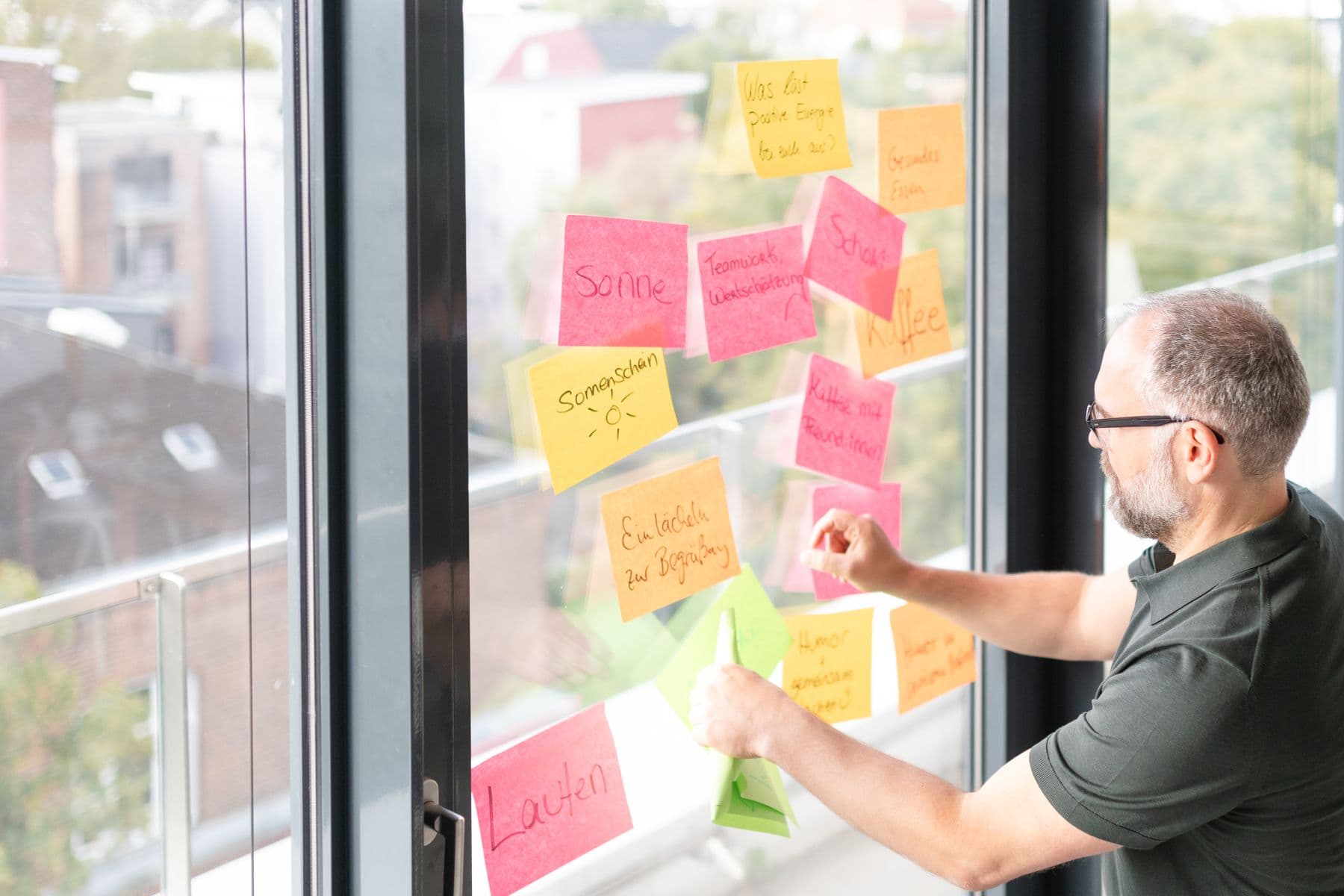
Creating value without waste: this basic idea applies in administration just as it does in production.
Embedding continuous improvement
Lean only takes effect when improvement becomes routine. Problems are then seen as an opportunity for improvement rather than a disruption. Internal facilitators can guide improvement work in the departments, while managers provide the time and commitment it needs. In this way, development stays within the organisation when the consulting engagement ends.
Book an initial callLean as an organisational principle, not a toolbox
Lean methods can be used as technical instruments. Their effect, however, depends on whether leadership, responsibilities and collaboration fit them. If standards are introduced without managers modelling them and seriously working through suggestions for improvement, the result is extra effort instead of relief. We therefore combine the introduction of lean principles with leadership development and the clarification of roles.
Experience from company development processes
transformis has linked lean principles with company development in several undertakings. Among other things, the project chronology lists a company-wide development process using lean principles and the balanced scorecard, the training of facilitators to introduce lean management, and a lean management concept for a family-owned company in the electronics industry. This experience informs the design of new undertakings. Each one is tailored afresh to the specific organisation.
Read more
Deliverables: Overview of the types of waste in the areas examined; Standardised processes and described services with clarified interfaces; Embedded routines of continuous improvement with internal owners.
Here, lean is understood as a principle of organisational development. Technical production planning and software implementation are not included; where needed, they are coordinated with specialists. The analysis of individual value streams is described under the value stream management service.
Frequently asked questions
Does lean also suit services and administration?
Yes. Many forms of waste, such as waiting times, duplicated work or unnecessary flows of information, are particularly common in administrative processes. They are simply harder to see there than in production.
What distinguishes a lean organisation from value stream management?
Value stream management analyses a specific flow of a product or service and develops a target picture for it. A lean organisation concerns the lasting way of working: standards, improvement routines, leadership and internal owners. A value stream analysis can be the starting point.
What role do facilitators play?
Internal facilitators guide improvement work in their departments and keep routines going. They are trained for this task and backed by management. This keeps responsibility for improvement within the organisation.
Prefer to talk directly?
What decision are you facing? Together, we clarify your situation, the people involved and the right next step.
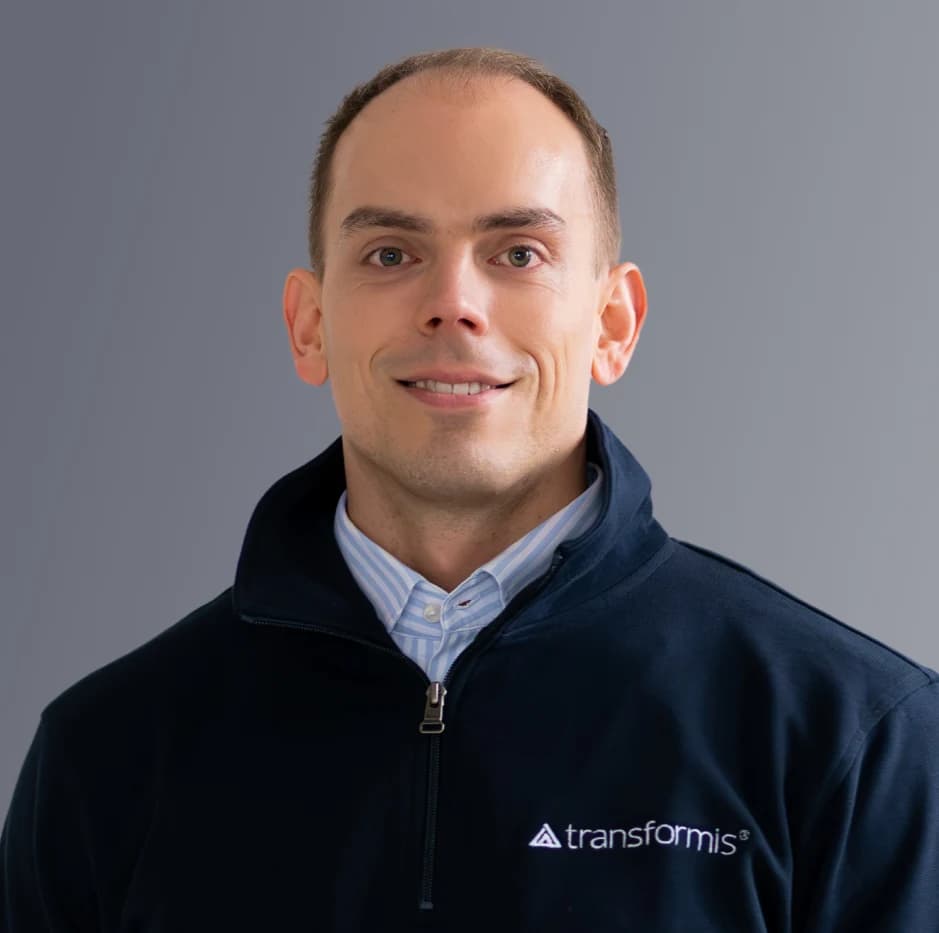
Jan-Niclas Bockard
Director | Chief Operating Officer (COO) | Head of corporate strategy competence team
Your initial call
Let’s talk about your situation and what you want to develop in your organisation.
- Your situation
- What brings you to us
- Possible next steps